Commercial Waste in Waltham Forest
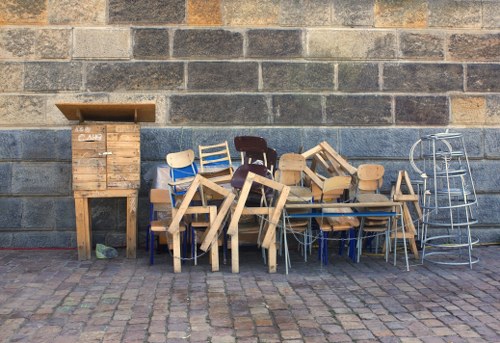
Commercial waste in Waltham Forest needs a clear, practical service that keeps day-to-day operations moving without unnecessary disruption. Our work covers the collection and removal of business rubbish from offices, shops, workshops and shared premises, with sorting designed to separate reusable items, recyclable materials and general residual waste where possible. The aim is straightforward: provide a tidy, organised service that helps businesses clear space and manage waste responsibly.
We handle a broad range of routine business waste streams, including office furniture, packaging, paper, shelving, fixtures, old stock and mixed non-hazardous rubbish. For items that need extra care, such as confidential paperwork or larger bulky equipment, the service can be planned around the type of material, access and the amount to be removed. Keeping waste under control is easier when removal is arranged around your working hours and the way your premises are used.
If you are comparing options, start with the type of waste, the amount involved and the access available on site. A short description is often enough to identify the right service route. You can also request a quotation once you know what needs clearing and when it needs to happen.
Business waste removal for offices, shops and workspaces
Business waste removal is usually best handled as a practical collection rather than a general clear-out. That means the emphasis is on removing the specific items that are ready to leave the premises, while keeping the rest of the site usable. Offices may need old desks, chairs, filing cabinets and packaging removed after a refit or move. Retail units may need stockroom waste, display fixtures and broken stock taken away. Workshops often need mixed non-hazardous material cleared without interfering with active work areas.
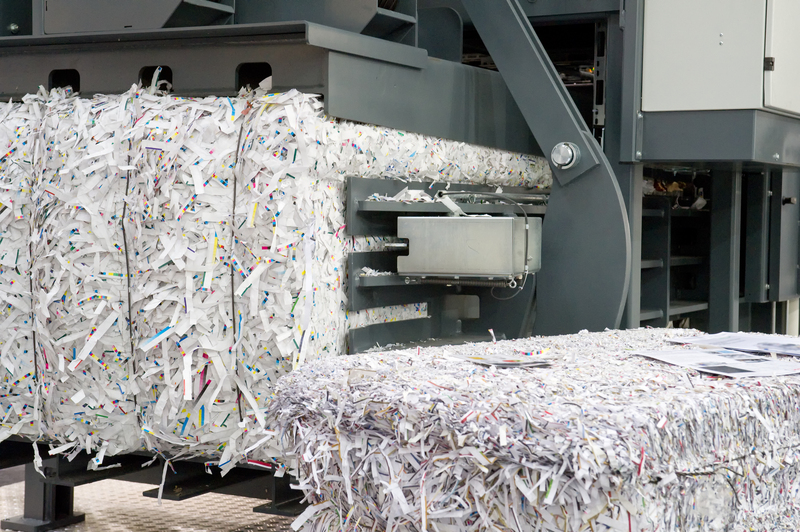
Business waste removal is a useful starting point when your needs are broader than one-off household clearance. Where the waste includes confidential documents, sensitive paperwork or files that must be handled separately, confidential shredding provides a more specific route for secure disposal. If the items are mostly office contents rather than loose rubbish, office clearance gives a better indication of the kind of work involved.
What this type of service commonly covers
The most efficient collections are usually those where the items are already grouped by room, department or waste type. That helps with loading, sorting and identifying anything that needs separate treatment. It also makes it easier to remove bulky items first, followed by boxed material, bagged waste and smaller loose items. For many businesses, a simple, well-organised visit is enough to clear a room, a back office or part of a storage area without interrupting trading for long.
Clearance for larger or mixed commercial loads
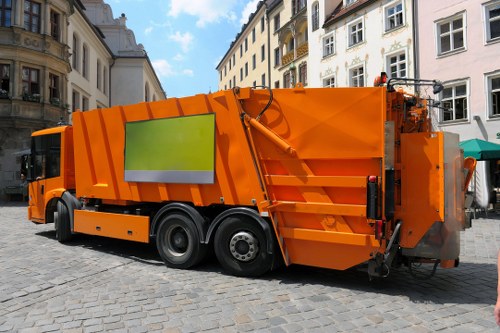
Some jobs are not a simple bag-and-go collection. They involve mixed materials, awkward access, heavy items or several categories of waste gathered from different parts of the premises. In those cases, a broader clearance approach can be more suitable. This is especially common after a relocation, an internal reorganisation, a stock change or the end of a tenancy. The work may include dismantled furniture, packaging, general rubbish and items that need to be separated before removal.
Waste removal suits businesses that need a flexible service for a mixed load rather than one narrow item type. Where the job involves dismantled fixtures, old fittings or larger site waste, builders waste clearance can be a better fit. For premises that are being emptied more completely, home clearance and house clearance are available for different property types, while flat clearance can be useful where access and carrying routes are more limited.
In practical terms, the main decision is whether the load is mainly business waste, bulky items, or a combination of both. That distinction affects how the collection is planned and what sort of loading space is needed. If several rooms or storage areas are involved, a clear list of the main item groups will usually make the process easier to organise.
Furniture, fixtures and bulky item disposal
Commercial premises often accumulate furniture and bulky items that are too large for ordinary waste containers. Desks, office chairs, cupboards, shelving, meeting tables, reception furniture and older storage units all need a sensible route out of the building. The key point is to remove them without damaging walls, floors or doors, especially in occupied buildings where the rest of the space still needs to function. Careful handling matters as much as collection itself.
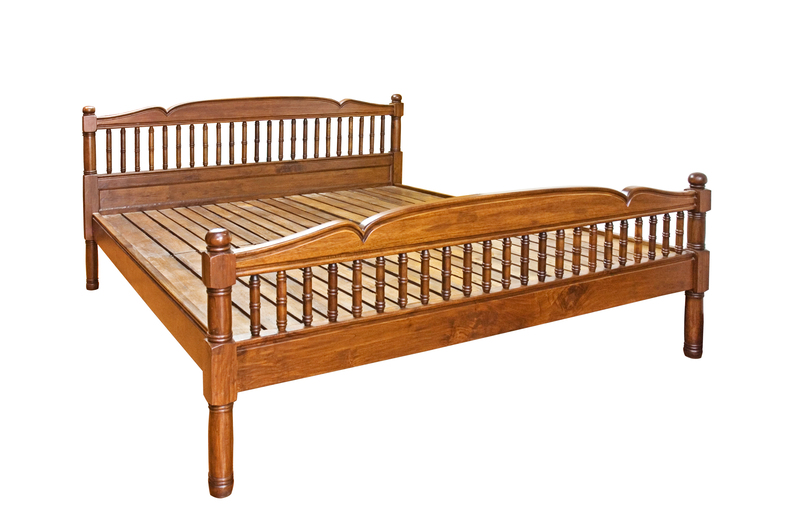
Furniture clearance is the main option when the job is largely made up of office or commercial furniture. If the items are beyond reuse or simply being replaced, furniture disposal is a useful related service. For particularly bulky pieces, mattress and sofa disposal may be relevant where hospitality, managed accommodation or client waiting areas have been updated and unwanted soft furnishings need to go.
Not every bulky item is treated in the same way, so it helps to mention whether pieces are intact, dismantled or fixed in place. A heavy cabinet that can be carried as one unit is a different task from shelving that must be taken apart on site. The more clearly the load is described, the easier it is to match the right removal approach to the job.
Specialist disposal for appliances and sensitive materials
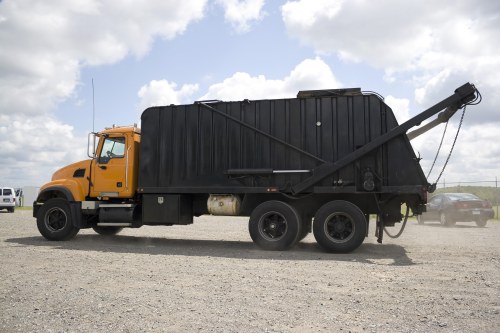
Commercial premises sometimes need more than general waste collection. Refrigerators, freezers and other appliances must be removed with attention to their condition, size and contents. In addition, some businesses generate waste that should not be mixed with ordinary rubbish, either because it contains sensitive information or because it falls into a more specific category. A clear service split helps avoid confusion and keeps disposal more orderly.
Fridge and appliance removal is the relevant option for units that are no longer needed in kitchens, staff rooms or customer areas. Where the issue is secure handling of documents, confidential shredding remains the more appropriate route than standard waste removal. If the material is unusual, restricted or needs extra care, hazardous waste disposal is the page to check so that the correct process is followed from the start.
These services are not interchangeable. An appliance collection is about size, weight and safe removal of a specific item, while shredding is about controlled destruction of records. Hazardous waste is different again and should only be treated through the proper channel. Keeping those distinctions in mind makes it easier to choose the correct service and avoid a mismatch between the waste and the disposal method.
Clearances for storage areas, upper floors and back rooms
Many commercial collections begin in the least convenient part of a property. Storage rooms, loft spaces, basements, rear access areas and upper floors can all hold waste that has built up over time. These areas often contain a mix of broken furniture, boxes, archived material and old stock. The service therefore needs to be organised around carrying routes, stair access, door widths and whether items must be moved past live work areas.
Garage clearance and loft clearance are useful where storage has expanded beyond its original purpose and the contents now need to be removed in a controlled way. For premises with outside storage, workshop annexes or similar secondary spaces, those routes can also support a broader business clearance plan. If the items are mostly loose household-style goods from mixed-use premises, flat clearance may offer a better description of the access and scale involved.
Planning the access first usually saves time on the day. If lifts, narrow stairs or shared entrances are involved, the removal route should be considered before the items are moved together. That is especially helpful when large items have to be brought through occupied corridors or down several flights. A well-planned collection is generally easier to complete cleanly and with less disruption to the rest of the building.
Pricing factors and quotation details
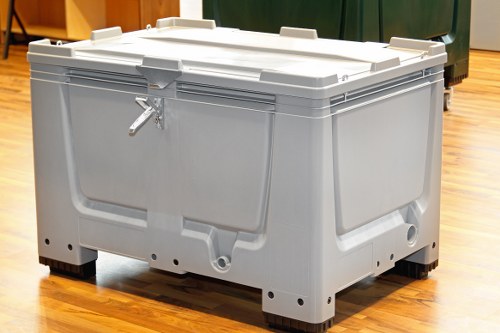
Commercial waste costs are usually shaped by the type of material, the volume to be removed, the access to the premises and whether the load contains bulky or specialist items. A straightforward bag collection is different from a mixed clearance that includes furniture, appliances and awkward lifting. If the work needs sorting, disassembly or extra carrying distance, those factors also affect how the job is planned and priced.
The most helpful information is concise and specific: what needs removing, roughly how much there is, where it is located and whether there are any access constraints. If you are comparing services, you may also want to look at pricing and quotes alongside the relevant removal page. When the collection is part of a wider business tidy-up, book online may be a convenient route for starting the process, provided the job details are already clear.
Two or three pieces of practical information are usually enough to begin: the main item types, the floor or room they are in, and whether the space will still be in use during collection. If the waste includes anything unusual, mention that early so it can be assessed properly. You can also ask for a quotation once those basics are ready.
Recycling, reuse and responsible disposal
Responsible commercial waste handling is not only about taking items away. It also involves separating material where possible so that recyclable content, reusable items and residual waste are dealt with in the right way. Cardboard, paper, metals, timber, plastics and dismantled office furniture may all follow different routes depending on condition and composition. The result should be a clear disposal process rather than a single undifferentiated load.
Recycling and sustainability explains the approach to sorting and reducing avoidable waste. When the collection is focused on furniture, the related furniture disposal and furniture clearance pages help distinguish between recovering usable items and removing those that are only fit for disposal. If the items are from a general business clean-out, those pages can be combined with the wider waste service to match the work more closely.
For many firms, the best outcome is a clearance that is neat, traceable and proportionate to the material involved. That means fewer unnecessary movements, better sorting and a clearer end result. It also makes it easier to manage a change in office layout, stock levels or storage habits without letting unwanted items build up again.
Suitable services for domestic-style premises and one-off clear-outs
Not every clearance on a business site looks the same. Some premises contain domestic-style rooms, rented units, managed accommodation or mixed-use areas where the waste is closer to household clutter than office rubbish. In those cases, a more property-focused route may be appropriate, especially if the job is centred on furniture, loose items or accumulated contents rather than daily operational waste.
House clearance, home clearance and flat clearance are relevant where the space and contents are better described that way. Where the bulk of the work is in furniture rather than mixed waste, furniture clearance remains the most direct option. For gardens, yards or outdoor storage connected to a property, garden clearance can be useful when the work extends beyond interior rooms.
Choosing between these options is mainly about what is actually being removed and how the property is laid out. A business unit with domestic-style contents needs a different approach from a normal office. When you match the service to the premises, it becomes easier to organise the work sensibly and avoid overcomplicating the clearance.
About Waltham Forest
Waltham Forest is a London borough in northeast London, formed in 1965 from the former county boroughs of Leyton, Walthamstow and Chingford. Its character is shaped by a mix of suburban streets, older village cores and denser town-centre districts, with the Lea Valley marking a strong physical edge on the western side. The borough takes its name from the historic royal forest of Waltham, once part of a much wider medieval landscape that extended across the area. Today, the name survives in places, parks and local identities that reflect both its older settlement pattern and later urban growth. Walthamstow Village preserves a notable historic street pattern and a concentration of listed buildings, while the Hoe Street and Walthamstow Central area has developed as a transport and commercial focus. Further north, Chingford lies close to Epping Forest, which forms one of the most distinctive green landscapes associated with the borough. The River Lea and its channels, reservoirs and walking routes create another important line of open space and movement. Cultural life in the borough is visible in markets, community venues and creative spaces, and the area is also known for its varied housing, from Victorian terraces and interwar streets to post-war estates and newer infill development. This combination of historic fabric, green corridors and busy town centres gives Waltham Forest a varied urban identity within Greater London, with neighbourhoods that can feel quite different from one another despite their shared borough setting.
Commercial waste solutions for changing business needs
As businesses change, the kind of waste they produce changes too. A workplace redesign can leave you with out-of-date furniture and redundant fixtures. A stock change may create packaging, damaged goods and surplus materials. A move to new premises can leave a mixture of unwanted items that no longer fit the new layout. The right service is one that treats those changes as a practical removal job rather than a generic clean-up.
About us gives a broader overview of the company, while contact us is the direct route if you are ready to talk through the work. If you want to know which items are accepted or restricted before arranging collection, what can go in a skip can be a useful reference point even when you are not using skip hire, because it helps with early sorting decisions.
For a clear and orderly quote, keep the request focused on the actual waste rather than the whole history of the site. That is usually enough to decide the most suitable service path. If you are ready to move forward, request a quotation.