Walthamstow Market rubbish removal guide for traders
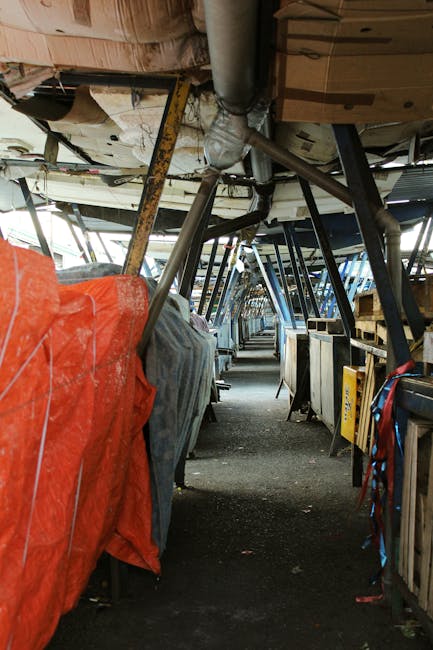
Running a stall in Walthamstow Market means moving fast, staying tidy, and keeping the trading pitch looking professional even on the busiest days. That is easier said than done. Boxes pile up, packaging builds quickly, broken display items appear out of nowhere, and by closing time there is often more waste than you expected at 8 a.m. This Walthamstow Market rubbish removal guide for traders is designed to help you stay on top of it all without wasting time, money, or energy.
You will find practical advice on clearance routines, common waste types, what to avoid, and how to choose a rubbish removal approach that suits market trading rather than a standard shopfront. In other words, this is about making waste management simple enough to fit the rhythm of a market day. Truth be told, if your bins are under control, everything else feels easier.
For traders who want a broader commercial waste overview, it can also help to look at business waste removal and the company's main waste removal service while planning a longer-term routine.
Why Walthamstow Market rubbish removal guide for traders matters
Market traders do not have the luxury of oversized back-of-house storage or a spare loading bay tucked round the corner. Space is tight. Footfall is constant. And waste, if it is not managed properly, becomes visible very quickly. A single pile of cardboard or a cracked crate sitting by a stall can make the whole pitch look messy, and that affects customer confidence more than people sometimes admit.
There is also the practical side. Poor waste handling can slow down set-up and pack-down, create trip hazards, and make it harder to work cleanly in wet weather. On a drizzly East London morning, wet packaging and food debris can turn into a slippy, awkward job that nobody enjoys. Not exactly the glamorous side of trading, is it?
This matters because market trading depends on speed, presentation, and repeat custom. Clean waste routines support all three. They also help traders avoid those last-minute scrambles where the van is full, the stall needs clearing, and nobody wants to be the person dragging broken displays through a crowded market aisle at 5:30 p.m.
Expert summary: The best rubbish removal plan for traders is usually the one that is simple, repeatable, and matched to the actual waste you create each week. Fancy systems are useless if they slow you down.
If your stall produces more mixed commercial waste than simple cardboard, it is worth understanding the difference between ad hoc clearance and a steadier commercial arrangement. A well-planned approach can save time, reduce clutter, and make closing down the stall far less stressful.
How Walthamstow Market rubbish removal guide for traders works
In practice, rubbish removal for traders usually works in one of three ways: you separate waste as you trade, you store it safely until collection or disposal, and you hand it over to the appropriate removal route at the end of the day or week. The details change depending on your stall type, your stock, and how much packaging you generate.
For a clothing trader, the main issue might be flattened cardboard, poly mailers, damaged hangers, and wrapping film. For a food trader, the list can become more sensitive, with perishables, contaminated packaging, and cleaning waste needing more care. For general goods traders, you may have a mix of cardboard, plastics, broken shelving, and the odd appliance or display item that has seen better days.
The key is not to treat all waste as the same. Some items can be recycled more easily if kept clean and dry. Other items, such as damaged appliances or items that may contain hazardous components, require a more cautious route. If in doubt, separate first and ask questions second. That simple habit avoids a lot of mess later.
Where traders need help with bulkier items, older stock, or end-of-season clear-outs, practical services like furniture clearance and furniture disposal can be useful for replacing tired display units, broken counters, or shop fittings. If you are dealing with heavier items or mixed commercial clutter, it may be easier to plan one larger collection rather than several smaller trips.
Some traders also combine waste removal with changes to their storage or set-up. For example, if a stall has become overloaded with old fixtures, damaged stock, or packing materials, a broader office clearance style approach can make sense if you have a back office or storage area to tidy at the same time. It is not just about chucking things out. It is about getting the working space back.
Key benefits and practical advantages
Good rubbish removal is not just about neatness. It affects time, safety, presentation, and the way your stall feels to work in. A well-run pitch tends to run better. A cluttered one tends to drag.
- Faster pack-down: If waste is sorted as you go, closing the stall becomes a routine instead of a scramble.
- Cleaner customer experience: Customers are more comfortable browsing when the stall area looks cared for.
- Better use of limited space: Small traders especially benefit from removing empties and broken items quickly.
- Reduced trip and handling risks: Less loose waste means fewer accidents behind the stall.
- More efficient recycling: Cardboard, paper, and certain plastics are easier to handle when they are not mixed with food waste or liquids.
- Less stress at the end of the week: You are not staring at a mountain of packaging on a Friday evening wondering where it all came from. We have all seen that moment.
There is also a commercial angle. A tidy, organised stall can look more reliable. That matters for repeat trade, word of mouth, and the simple fact that people trust businesses that look in control. It does not have to be perfect. Just better than the pile of crushed boxes and tape that tends to appear after a busy morning.
For traders who want to keep sustainability in mind, the company's recycling and sustainability page is a useful companion piece. Keeping recyclables separate and reducing contamination is one of the easiest ways to improve your waste routine without adding much extra work.
Who this is for and when it makes sense
This guide is for any trader working at or around Walthamstow Market who generates waste as part of normal business. That includes long-term stallholders, short-term pop-up traders, seasonal sellers, food traders, general retailers, and anyone with a backstock area or market base that fills up faster than expected.
It makes sense especially when one or more of the following starts happening:
- you are regularly leaving packaging behind because there is no practical storage space
- you are replacing displays, fixtures, or shelving and need the old items removed
- your market waste no longer fits a simple bin-and-go routine
- you are sharing a space and waste is becoming a point of friction
- you want a cleaner, faster closing process
- you need a one-off clearance after a refurb, change of stock, or stockroom tidy-up
Sometimes traders wait too long because they think rubbish removal is only needed for big jobs. It is not. Even a modest stall can generate awkward waste, and awkward is the important word here. A few oversize boxes, broken boards, or old packaging rolls can become a constant nuisance.
If your trading setup includes equipment, appliances, or temporary furniture, there are more specific options too. For example, larger item disposal may overlap with fridge and appliance removal or mattress and sofa disposal where relevant to storage, staff facilities, or nearby premises. Not every trader needs these services, of course, but some do.
Step-by-step guidance
If you want waste handling to feel manageable, build it into your trading routine. Do not leave it as an afterthought. The simplest systems are often the ones that stick.
- Audit what you throw away most often.
Spend a few trading days noting your main waste streams. Cardboard? Plastic wrap? Food waste? Broken displays? This tells you what matters most. - Set up separate collection points.
Use clearly labelled bags, crates, or bins so mixed waste does not build up. Even a basic separation system helps. - Keep recyclables clean and dry where possible.
Wet cardboard is far less useful. Once it soaks through, it tends to become a nuisance rather than a resource. - Remove bulky items before they pile up.
Do not let broken shelving, packaging pallets, or old stock fixtures linger for weeks. Small jobs are easier than one giant headache. - Plan your clearance timing.
Think about end-of-day, end-of-week, or end-of-season removal rather than waiting until storage is overflowing. - Check what needs a special disposal route.
Hazardous materials, electrical items, and some contaminated waste should be treated carefully. If you are unsure, ask before moving it around. - Choose the collection method that matches the job.
For a modest amount of rubbish, a normal waste collection may be enough. For a bigger clear-out, book a dedicated clearance. - Keep a simple record.
A basic note of what went out, when, and roughly how much can help with planning future collections and managing costs.
One small but helpful habit: photograph the waste area before and after a clearance. It sounds a bit neat-freak, maybe. But it gives you a clear record of what was removed and helps you spot patterns, especially if the same types of waste keep recurring.
Expert tips for better results
After enough market clearances, a few patterns become obvious. The traders who have the least waste drama are rarely the ones with the fanciest setup. They are the ones with a routine.
- Flatten cardboard immediately. It sounds obvious, but it saves a surprising amount of room.
- Use stackable containers for reusable offcuts or returnable packaging. Loose items always seem to multiply when nobody is looking.
- Keep one "decision bin" for uncertain items. If you are not sure whether something should be recycled, reused, or removed, put it aside until you can sort it properly.
- Schedule clear-outs before peak trading periods. Clearing waste on a quiet day is far less painful than doing it before a weekend rush.
- Train anyone helping on the stall. If you have family, staff, or casual help, make sure they know where waste goes. Shared habits matter.
- Watch for hidden items in storage. A lot of clutter comes from the corner no one has touched in months. Then suddenly, there it is. All of it.
To be fair, good waste habits do not need to be complicated. A few bins, a little discipline, and a clear end-of-day sweep go a long way. If you are doing a larger tidy-up, the company's loft clearance and garage clearance pages may also be relevant if your market stock or trading equipment is stored at home or off-site. Sometimes the real mess is not on the stall at all.
Common mistakes to avoid
Most waste problems for traders are not dramatic. They are cumulative. A little bit here, a little bit there, and suddenly the stall looks tired and the storage area feels like a trap. These are the mistakes that crop up most often.
- Leaving waste until the very end of the week. By then it is heavier, messier, and usually harder to sort.
- Mixing recyclable and non-recyclable waste. Contamination can make a whole batch less useful.
- Ignoring bulky items because they are "only temporary". Temporary clutter tends to become permanent clutter.
- Storing waste where customers or passers-by can see it. Even if it is just for ten minutes, the visual impact matters.
- Putting potentially hazardous items into general rubbish. That is a risk you do not want to improvise around.
- Not checking the removal provider's approach to safety and insurance. If a company is handling commercial waste, you want confidence that the process is sensible and properly managed.
Another common mistake is assuming that all "clearance" work is the same. It is not. A stall refresh, a backroom tidy-up, and a one-off bulky waste collection each come with different practical needs. If you treat them as identical, you may end up paying for the wrong sort of help.
There is a reason traders who stay on top of waste look calmer. They are not magic. They just stopped letting the small things stack up.
Tools, resources and recommendations
You do not need a complicated toolkit, but a few sensible items make a real difference. Think utility, not gimmicks.
- Heavy-duty sacks: useful for mixed lightweight waste, but do not overload them.
- Flattening tools or a simple box cutter: practical for breaking down cardboard safely.
- Labelled tubs or crates: excellent for separating recycling, returns, and general waste.
- Gloves: basic, but worth using when handling broken packaging or sharp edges.
- Trolley or sack truck: helpful for moving heavier items without repeated lifting.
- Closed storage containers: useful when waste has to sit for a short period before collection.
For traders who want to plan costs and understand what level of service they need, the pricing and quotes page is a sensible place to start. It is also worth reviewing the provider's payment and security information so you know how bookings are handled.
Sometimes you will also need a service tailored to a very specific kind of waste. Builders' waste from a stall rebuild, for example, may fit better with builders waste clearance. It depends on what has actually piled up, which is why a quick assessment matters more than guessing.
Law, compliance, standards, or best practice
Waste handling for traders sits within normal UK commercial expectations around responsible disposal, safe storage, and keeping business waste separate from household rubbish. You do not need a law lecture here, and nobody wants one. But you do need to treat your waste as a business issue rather than a casual afterthought.
Best practice generally means:
- keeping waste contained so it does not create a hazard
- separating recyclables where practical
- avoiding contaminated or dangerous items in general waste
- using a suitable disposal route for electrical, bulky, or potentially hazardous items
- choosing a provider that can show sensible procedures around safety and handling
If you handle confidential paperwork, customer information, or business records from a back office or storage area, waste best practice may also involve secure handling rather than ordinary disposal. In those cases, confidential shredding is worth knowing about. It is a small detail until it is not.
For businesses that want reassurance around process and standards, the company's health and safety policy and insurance and safety pages are useful to review. They help show how a provider thinks about risk, handling, and professionalism.
If your waste includes items that need extra care, such as chemicals, solvents, or similarly sensitive materials, then general rubbish removal is not the right place to improvise. You should always identify the item first and use the proper route. That is just common sense, really, but it gets overlooked.
Options, methods, or comparison table
Choosing the right method depends on volume, type of waste, and how fast you need the area cleared. The table below gives a simple comparison.
| Method | Best for | Advantages | Watch-outs |
|---|---|---|---|
| Daily sorting and binning | Small, regular waste from trading | Simple, low effort, easy to maintain | Can fail if waste volume suddenly increases |
| One-off bulky waste collection | Broken fixtures, old displays, oversize items | Fast relief, clears space quickly | May not suit constant, ongoing waste streams |
| Planned commercial waste removal | Regular trader waste with repeat volumes | Predictable, tidy, easier to budget around | Needs a routine and some discipline |
| Mixed clearance service | Stockroom, back office, or stall refresh jobs | Useful for varied waste and clutter | Requires a clear list of what is included |
There is no single best option for every trader. A stall that sells wrapped clothing will behave differently from a food stall or a trader with a back storage unit. If your needs change through the year, that is normal. Winter stock, spring refreshes, and end-of-season clear-outs all create different pressures.
If you are unsure whether a full service or a more focused collection is right for you, think about how often the problem recurs. One-off mess usually needs one-off help. Repeated clutter usually needs a repeatable system.
Case study or real-world example
Here is a realistic example. A trader running a small non-food stall in Walthamstow Market had built up a steady stream of cardboard, wrapping film, damaged storage boxes, and a few tired display units. Nothing dramatic, just everyday clutter. Over time, the rear corner of the stall became the drop zone for "we'll deal with that later" items.
By Thursday, that corner was taking up valuable space. By Friday, it was starting to affect how quickly stock could be moved in and out. Customers could not see the clutter directly, but the team felt it every time they bent down or stepped back. You know the feeling. Everything takes half a second longer, then another half second, then suddenly the whole morning feels sticky.
The trader solved it with a very plain process: cardboard was flattened daily, reusable packaging was separated, and bulky broken display items were booked for removal before the next busy trading day. A small backroom sort took place first, followed by a dedicated clearance for the awkward pieces. No heroics. Just a cleaner routine.
The result was a better-looking stall, easier movement behind the counter, and less end-of-day friction. Not a miracle, just proper housekeeping. And sometimes that is exactly what trading needs.
Practical checklist
Use this checklist before and after a removal to keep things under control.
- Have you identified your main waste types?
- Are recyclables separated from general rubbish?
- Have you flattened cardboard and reduced wasted space?
- Are bulky items removed before they block the stall or storage area?
- Have you checked whether anything needs special handling?
- Is your waste stored safely and out of the way of customers?
- Do you know when your next clearance or collection is due?
- Have you told staff or helpers where everything should go?
- Have you reviewed whether your current waste routine still fits your trading volume?
- Do you have a plan for end-of-season or stock refresh clear-outs?
Quick takeaway: if your waste plan is simple enough that anyone helping on the stall can follow it after a one-minute explanation, you are probably on the right track.
Get a free quote today and see how much you can save.
Conclusion
A good rubbish removal routine is one of those quiet improvements that makes a trader's day noticeably easier. It protects your space, supports your presentation, and reduces the little stresses that build up around a market stall. Walthamstow Market rubbish removal guide for traders is really about that: less clutter, less confusion, more control.
Start with the waste you create most often, keep the system practical, and do not wait for clutter to become a problem before acting. Small, regular habits usually beat big, messy clean-ups. And if your stall has already outgrown a casual approach, that is fine too. The fix is usually more straightforward than it feels on a hectic afternoon.
For traders wanting to learn more about the wider business behind the service, the about us page offers helpful background, while the contact us page is there when you are ready to ask questions or plan a collection. A tidy stall is not just nicer to look at. It makes the whole working week breathe a little easier.
Frequently Asked Questions
What is the best rubbish removal option for Walthamstow Market traders?
The best option depends on the type and volume of waste you produce. Small regular waste can often be handled through a simple routine, while bulky or mixed items may need a dedicated clearance or commercial collection.
Can traders recycle cardboard and packaging from the market?
Usually yes, provided it is kept clean and not contaminated with food, liquids, or general rubbish. Flattening cardboard and keeping it dry makes recycling much more practical.
What should market traders do with broken display units or old fixtures?
Broken display units, shelving, and fixtures are usually better handled through a bulky waste or clearance service rather than left with ordinary rubbish. If they are wooden or mixed-material items, they can be awkward to move and store.
How often should a trader arrange rubbish removal?
That depends on your trading volume. Some traders manage with daily sorting and occasional collections, while busier stalls benefit from a more regular plan. The key is to remove waste before it starts affecting space or safety.
Is market waste different from normal business waste?
Yes, in practice it often is. Market waste is usually generated in tighter spaces, with less storage and more time pressure. That means your waste routine needs to be quicker, simpler, and easier to reset every trading day.
What waste items need special care?
Electrical items, anything potentially hazardous, and contaminated waste should be treated carefully. If you are unsure about an item, do not guess. Separate it and check the best disposal route first.
Can rubbish removal help with a stall refresh or stockroom tidy-up?
Yes. A clearance service is often the quickest way to remove old stock fixtures, damaged packaging, and clutter that has built up over time. It is especially useful before a seasonal reset or a trading layout change.
How can traders reduce rubbish at source?
Buy stock with less unnecessary packaging where possible, reuse containers where safe, flatten cardboard, and separate waste as you go. A little bit of source control saves a lot of clean-up later.
What is the biggest mistake traders make with waste?
The biggest mistake is usually leaving waste until it becomes a pile. Once it is mixed, wet, or crushed under foot traffic, it takes longer to sort and becomes harder to remove cleanly.
Do I need to think about confidentiality if I run a market business?
If your business handles invoices, customer details, labels, or internal paperwork, then yes, secure disposal may matter more than you think. In those situations, confidential shredding is worth considering.
How do I know if a clearance service is right for me?
If waste is taking up space, slowing down trading, or becoming hard to manage with normal bins, a clearance service is probably worth exploring. The right service depends on whether you need a one-off removal or a regular arrangement.
What should I ask before booking rubbish removal?
Ask what types of waste can be taken, how pricing works, whether bulky items are included, and how the collection is handled. It also helps to check safety, insurance, and payment information before you book.