Recycling and Sustainability for Commercial Waste Waltham Forest
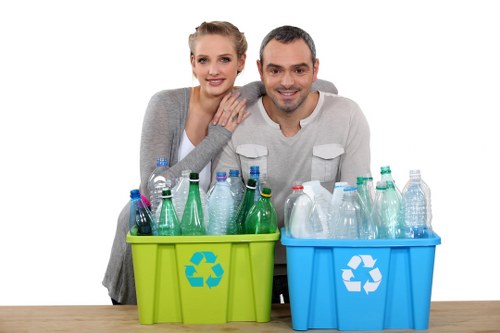 Commercial Waste Waltham Forest is evolving into a model for an eco-friendly waste disposal area across the borough. Local businesses, property managers and waste contractors are working together to shift from a linear throwaway culture to a circular economy approach. This page outlines our sustainable rubbish area plans, targets and practical steps to reduce carbon and boost reuse across commercial waste streams in Waltham Forest.
Our approach to commercial waste in Waltham Forest respects the borough’s long-term goals: reduction, reuse, and high-quality recycling. The borough promotes clear separation at source—paper and card, glass, plastics and cans, food waste and residual refuse—so that businesses in the area can maximise recycling value. A collaborative effort makes it easier for enterprises to meet both environmental and regulatory requirements.
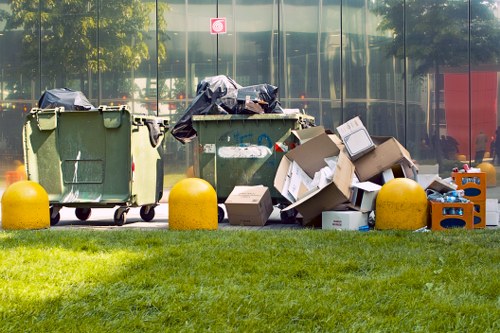 Key sustainability objectives include diverting organic and dry recyclables from landfill, helping companies adopt correct segregation, and expanding reuse pathways for furniture and appliances. We are committed to a measurable recycling percentage target: aiming for a 65% commercial recycling rate by 2030 across the borough’s business and retail sectors. That target reflects ambition, local capability and alignment with wider London sustainability goals.
Practical Infrastructure: Transfer Stations and Logistics
Commercial recycling relies on efficient logistics. Local transfer stations act as hubs where segregated waste is consolidated before onward treatment. Commercial premises in the borough use nearby transfer depots and the borough transfer facility to reduce haulage distances, improve material quality and lower emissions. These transfer stations are tailored to accept segregated streams from the sustainable rubbish area network.
Reducing transport-related emissions is central to our strategy. We support consolidation of collections, back-loading and scheduling improvements so fewer trucks need to visit the borough. By organising collections that feed local transfer stations rather than long-haul trips to distant centres, commercial waste in Waltham Forest keeps more value in the local economy and cuts CO2 from unnecessary journeys.
 Low-carbon vans are already in service with many contractors servicing the borough. Electric and hybrid vans, together with cargo bikes for short trips, are part of our low-emission fleet technology mix. These vehicles not only reduce air pollution on high streets and industrial estates but also strengthen the image of Waltham Forest as an eco-friendly waste disposal area for businesses wanting greener supply chain partners.
Partnerships, Reuse and Charity Networks
Partnerships with charities and social enterprises are crucial to turning commercial waste into community value. We work with local reuse organisations to collect commercially generated clothing, furniture, office equipment and electricals that are still functional. These partnerships support employment, social programmes and reduce the burden on residual waste processing.
Local charities receive prioritized donations from commercial sources when materials are prepared to reuse standards. Strong relationships between businesses and non-profits streamline collections and help the borough build a thriving reuse economy. Commercial waste in Waltham Forest benefits when donors and charities coordinate on pickup schedules and material preparation.
Typical reuse and recycling activities in the borough include:
- Segregated collections for paper, card, glass, metals and plastics to maintain high-quality recyclable streams
- Dedicated food waste collection from catering businesses to enable anaerobic digestion and bioenergy recovery
- Reuse pickup services for furniture, textiles and office equipment coordinated with community organisations
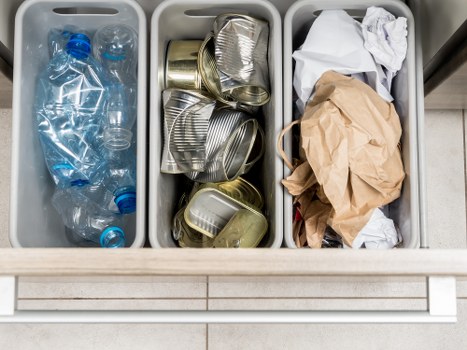
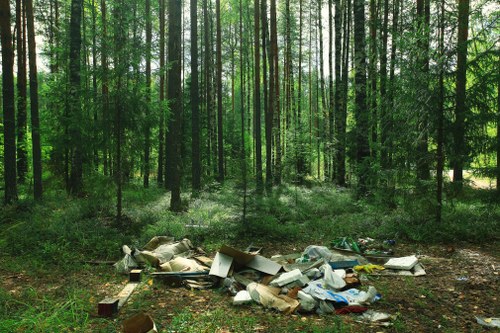 Businesses in the borough are encouraged to adopt on-site separation best practices: clear labelled bins for recycling, food waste containers with liners, and compactors for high-volume dry materials. These simple investments improve capture rates and reduce contamination so that materials collected through the sustainable rubbish area network fetch better prices or are more viable for local processing.
We also support bespoke solutions for different business types: hotels and restaurants focus on food waste and glass; retail focuses on packaging and cardboard baling; construction and demolition contractors prioritise segregation of inert materials and reclamation routes. This tailored approach recognises that Waltham Forest commercial recycling needs are diverse and must be flexible to serve small, medium and large enterprises.
 Monitoring and continuous improvement are embedded in our strategy. Regular data collection on tonnages, contamination levels and collection frequency allows the borough to refine routes, invest in equipment where it will have greatest impact, and communicate results back to businesses. We encourage commercial clients to embrace the target and report progress internally so recycling becomes a visible part of business performance.
Why choose to engage with the borough’s sustainable rubbish area approach? Because it reduces costs over time, lowers carbon footprints, supports local social enterprises, and helps businesses demonstrate environmental leadership. Through combined action—proper segregation, use of local transfer stations, charity partnerships and adoption of low-carbon vans—Waltham Forest can grow its reputation as an accessible, high-performing destination for commercial recycling and sustainable waste management.
Next steps for businesses include reviewing current waste streams, assessing opportunities for segregation and reuse, and exploring partnerships with approved local agents. By committing to the borough’s recycling percentage target and making use of the eco-friendly waste disposal area infrastructure, commercial operators will contribute to a cleaner, greener Waltham Forest for employees, customers and residents.
Together, local authorities, businesses and charities can deliver a resilient circular system that keeps materials circulating, reduces greenhouse gas emissions and creates social value — a practical path for commercial waste in Waltham Forest to become truly sustainable.